ATTENTION: For Those who are serious about Getting Pre-Qualified FAST!


Bill Rapp, Mortgage Originator: NMLS 228246
"Brokers Are Better.
Better Pricing, Better Service!"
Subscribe To My List Below To Get Your Mortgage Quote Now!
Simply enter your name and email below:
WITH PROVEN STRATEGIES & PROVEN RESULTS
HERE'S WHAT MY CLIENTS SAY:
What People Are Saying:

Excellent Service
Bill is an exceptional loan officer. He helped us to purchase our home with very personal and professional service. He helped us navigate the whole process from start to closing without any problems. We didn't think we're qualified to purchase a house, but Bill went above and beyond to find a way to help us achieve our goal. He always responded very quickly with our requests, he would come back with different options with comparison chart to clearly indicate how much we need for down payment, monthly payments, interest rates, closing costs etc.
We would highly recommend Bill to anyone in need of lending services. In fact, we have already recommended Bill to one of our friends on purchasing a house.
--- David Chan - Houston, TX

Bank Statement Lending!
William Rapp of Network Funding, L. P. was very professional and I felt comfortable in dealing with him. I will definitely recommend him to family and friends.
--- Ian F - Missouri City, TX

Professionalism - Expert In Home Style Loan
Bill is an expert in the topic, his explanations and online material make a difference and he is always there from the beginning to the end. He is committed to make thing happen.
--- Felipe Caldern & Carolina Angel Gutierrez

Great Service!
Bill Rapp's handling of our loan (even though out of state) was unparalleled to any service I have been through prior, including 3 different real estate transactions and multiple refinances. Extremely quick close, with great options and flexibility for my families needs. All around A+
--- Chris & Beth Sheehan - San Jose, CA

Knowledgeable and Responsive!
Bill was a pleasure to work with and he made the loan process fairly easy. He answered all questions I had very quickly and was straight forward in doing it. I would recommend Bill to others.
--- Wes Brady - Richmond, TX

Very professional and always returned our calls!
Bill takes a lot of pride in his job and is very dependable. They were very patient and understanding. He went out of his way and explained all my questions and concerns. They were very professional and returned my phone calls and emails. He did a great job and I fully recommend him.
--- Therese, Malcom & Shirley Teixeira - Katy, TX

Great Job!
Bill helped us out from beginning to end of loan process. The loan closed in a timely manner as Bill worked hard with bank to get our to the final steps.
--- Kamal & Theresa Wilson - Hartford, CT

Avid Problem-Solver and Absolute Pleasure to Work With!
Bill Rapp worked very hard to ensure that we closed our loan and were able to move into our new home. He always had alternatives to any problems we encountered while closing. He worked with us from the beginning identifying solutions to any problems that we were having. He was an absolute pleasure to work with!
--- Nikita Rayani & Sanit Tejani - Houston, TX

Awesome to work with!
Being a first-time buyer I came in with lots of questions and concerns. Bill was always available for any questions I had and answered everything to my satisfaction. Bill made the loan process so painless that I could still concentrate on other things. We ended up closing early which made things even better. If you are in need of a lender and want someone who is very approachable and stays on top of your loan then Bill is your guy.
--- Cesar Raya - Richmond, TX

Loan Declined by my bank, and he saved the day!
Bill, did an amazing job helping me close on my house. He took the reigns and reassured me the best route to take to help close. He was accountable, thorough and trustworthy. I will continue to work with Network Funding, L.P. when it comes to home buying in the future because of the quality of service Bill gave.
--- Jacob Smith - Boerne, TX

Bill Rapp Will Definitely Make It Happen!
Bill is the most kind, patient and helpful person I have ever known. He answers his phone calls and emails promptly. You can ask him a million questions, and he will answer each and every one of them. Before I started working with Bill, I had been turned down for a home loan, because of some past credit issues I had, plus I was a single mother. However, once I started working with Bill, he was able to quickly get me a home loan, with a good interest rate. I would recommend that you call him, as he will help you.
--- Corinne Wilson - Roselle, NJ

Knowledgeable, Honest, Trustworthy, and Reliable!
"I will definitely keep you in mind. If anyone I know needs financing, I will send them your way!"
--- Jon & Andrea Saleem, CRPC Financial Advisor - Houston, TX

Best Dam Mortgage Guy a man could know!
"Hands down the best loan experience to date!"
--- Gabe & Chelsea Jackson - Pearland, TX

Phenomenal, Hard Working and Never Quits!
Had a stupid foreclosure that could have been avoided if ex’s attny would have sent my buy out offer. So Bill was able to push this through with a 4 year foreclosure. He worked his butt off, was very diligent with his communication; and was very professional talking to me even when I was screaming and/or crying at him. Highly recommend this lender. He really go to the ends of the earth to help you!
--- Liz Keeter - Harlingen, TX

Exceptional customer service!
Bill is the most kind, patient and helpful person I have ever known. He answers his phone calls and emails promptly. You can ask him a million questions, and he will answer each and every one of them. Before I started working with Bill, I had been turned down for a home loan, because of some past credit issues I had, plus I was a single mother. However, once I started working with Bill, he was able to quickly get me a home loan, with a good interest rate. I would recommend that you call him, as he will help you.
--- Isha Lopez & Mauricio Garcia - Houston, TX

Service with a capitol S
Bill went above and beyond at every turn. He worked late on Saturday, he worked late all the time. We wanted to close ASAP and he really helped make it happen for us.
--- Jeff & Wendy Heger - Houston, TX

Best Buying Experience!
I would would highly recommend going with Network Funding LP. As a first time home buyer I didn't know what to expect. Bill Rapp was very helpful in answering all my questions and guided me through all ghe steps. I couldn't have asked for a better buying experience!
--- Tabitha Turner - Humble, TX

Would recommend him and use him again!
Very involved and professional . Kept me informed and up to date on everything that was going on Went with me closing and was very helpful and knowledgeable.
--- Kathy Ward - Houston, TX

Great experience!
Well I meet bill back in December 2016 he got recommended by my real estate agent we had a house in sight and started the process to get approved but we fail due to my work history and credit bill told me not to give up and put me in contact with a credit repair company they help me bring my score up and bill walk me thru the process of getting a new line so this time around we got approved before looking for our house after we found it we still had a couple of hick up but with bills help on Sunday 6-18-17 to be exact Father's Day bill called me to give me the great news that we had got approved and the closing date was as scheduled bill was more than just a lender to my family he became a friend and I'm alway going to have him in mind for any other financial situation.
--- Alejandres Felimon - Richmond, TX

I really liked his attitude!
I wouldn't usually say this but the way he had handled my mortgage was really pleasant. I personally enjoyed the time spent with him while we discussed feasible rates. He's a great man with a great personality and he offered really low interests as well. Definitely recommend him to others.
--- Tom Troiano - Atlantic City, NJ

He's nothing short of a miracle!
I'm a self-employed businessman and had him figure out the mortgage of the house after 30% down payment. The interest rates I received were incredibly low given what I had thought of earlier. One other important thing to note was that I hadn't really taken any loans earlier, so I had no credit history. He helped me out with all that as well so I can't really call him anything else but a miracle.
--- Fran Suarez - Cleveland, OH

He's really helpful!
I made a bid to him and the very same day he gave me an offer which I couldn't resist. It was too intimidating with those incredibly low interest rates and all, thoroughly recommend him.
--- Kenny Mickle - Houston, TX

Expeditious!
Bill was very expeditious and made it real easy going through the loan process. I felt he was on top of things.
I deal with investment properties and will more than likely call on him again.
--- Wayne King - Pensacola, FL

Bill was great!
Bill made us feel like a friend all the way thru the process. He was patient and explained everything he needed clearly. He was available ANYTIME we had questions or needed more information. Hopefully we won’t go thru this process again anytime soon, but if we do - we’d choose Bill! =)
--- Barbra & Nick Grimmer - Austin, TX

Great broker!
Bill was a great broker to work with. As first time home buyers we had many questions about the process, Bill took the time to help us even calling us back on weekends with answers. I would not hesitate to recommend him to anyone looking for a broker to work with.
--- Murray & Lisa Turner - Pensacola, FL

Outstanding service!
I couldn't have been more pleased with Bill's level of service. He made what is typically a lengthy, arduous process far quicker and easier at every turn. I'm extremely comfortable recommending Bill to friends and family, and will definitely utilize his services again!
--- Jim Lipari - Austin, TX
Renovation Mortgage Specialist
Two little-known home renovation mortgage programs offer solutions for buyers and homeowners who want to renovate.
Fannie Mae and the Federal Housing Administration have home renovation mortgage programs that allow buyers to borrow based on what the house is expected to be worth after the home rehab is completed. Homeowners can also use both programs to refinance their existing mortgage plus the renovation costs into one loan.
FHA's 203(k) program and Fannie's HomeStyle Renovation Mortgage have been around for years. In the old days -- when most borrowers could easily get second mortgages or generous credit lines to pay for renovations -- these loans weren't as appealing as they are today.
Home renovation loans are in Demand !
"A couple years ago, there wasn't as much demand for these loans," says Bill Rapp, a senior loan originator with Network Funding in Houston, who specializes in renovation mortgages. Demand surged in the aftermath of the housing crisis, when borrowers saw them as a way to buy and renovate distressed properties.
How it works Unlike credit lines, these renovation loans require borrowers to show that the money was spent on the house. In the standard FHA 203(k) program, the borrower hires a consultant to assess the construction plan and to perform an inspection before each draw is made. A "draw" happens when a portion of the money is disbursed to the contractor. Borrowers have up to six months to finish the project and are allowed up to five draws. The HomeStyle program does not require a consultant to monitor the work, only an initial and final inspection.
Great for foreclosure hunters !
While rehab loans involve more work than traditional mortgages, they can be a great tool for those who want to buy discounted homes that need repair.
Bill Rapp says he helped a couple who bought a foreclosed house in Houston, TX for $26,000 and borrowed $136,000 to renovate the property. An appraisal estimated the home would be worth about $135,000 after the work was completed. The couple was able to take out an FHA 203(k) mortgage totaling $144,000, which covered the price of the house, renovations, and loan costs, minus a down payment.
But how do you know which loan is best? It depends on the situation.
203(k) vs. HomeStyle .
Those who don't have great credit should probably opt for an FHA 203(k). Most Fannie Mae HomeStyle lenders require a credit score above 660. To get the best rate on a HomeStyle mortgage, borrowers need to have a minimum 740 credit score, Bill Rapp says.
"If you have a 740 score and 10 percent down, a HomeStyle is definitely cheaper," she says. That's because FHA mortgages carry higher mortgage insurance premiums for borrowers who put the least amount down. FHA 203(k) home renovation mortgages have an upfront fee that is rolled into the loan amount. Less-than-stellar credit For borrowers with credit scores lower than 740, it's best to compare estimates, Bill Rapp says.
FHA does not set a minimum score requirement for 203(k) loans, but many lenders require a score of 640 or greater. There are a few exceptions, and some lenders accept scores as low as 580, Bill Rapp says.
Under the FHA's 203(k) program, borrowers can get a mortgage with a down payment as little as 3.5 percent. HomeStyle requires a minimum 5 percent down payment.
The FHA 203(k) program is available only for owner-occupants. The HomeStyle program allows investors.
How much do you need?
Another key factor a borrower should consider when deciding whether to go with a 203(k) or a HomeStyle home renovation mortgage is the size of the loan.
The 203(k) rehab mortgage has to comply with FHA loan limits. The limit varies by county but is $314,827 in most places. In high-cost areas, the limit is as high as $765,525.
You may be able to borrow more with the 203(k) than with HomeStyle if you are borrowing up to the local loan limit.
With a 203(k) loan, borrowers can get up to 110 percent of the home's appraised value, compared with 95 percent with a HomeStyle loan. Both appraisals are based on what the house is expected to be worth after repairs.
What do you want to fix?
FHA's 203(k) rehab loan does not allow borrowers to use the money for luxury items such as adding a swimming pool or a spa, but HomeStyle does.
Borrowers can opt for a streamline FHA 203(k) home rehabilitation loan if they need less than $35,000 and don't have to do any structural repairs or major landscaping work. The streamline 203(k) is similar to a standard 203(k) but is easier to get and involves less paperwork and less bureaucracy, Bill Rapp says. Streamline loans don't require the borrower to hire a consultant.
Call Bill Rapp, The Mortgage Viking, today to discuss your options 281-222-0433.
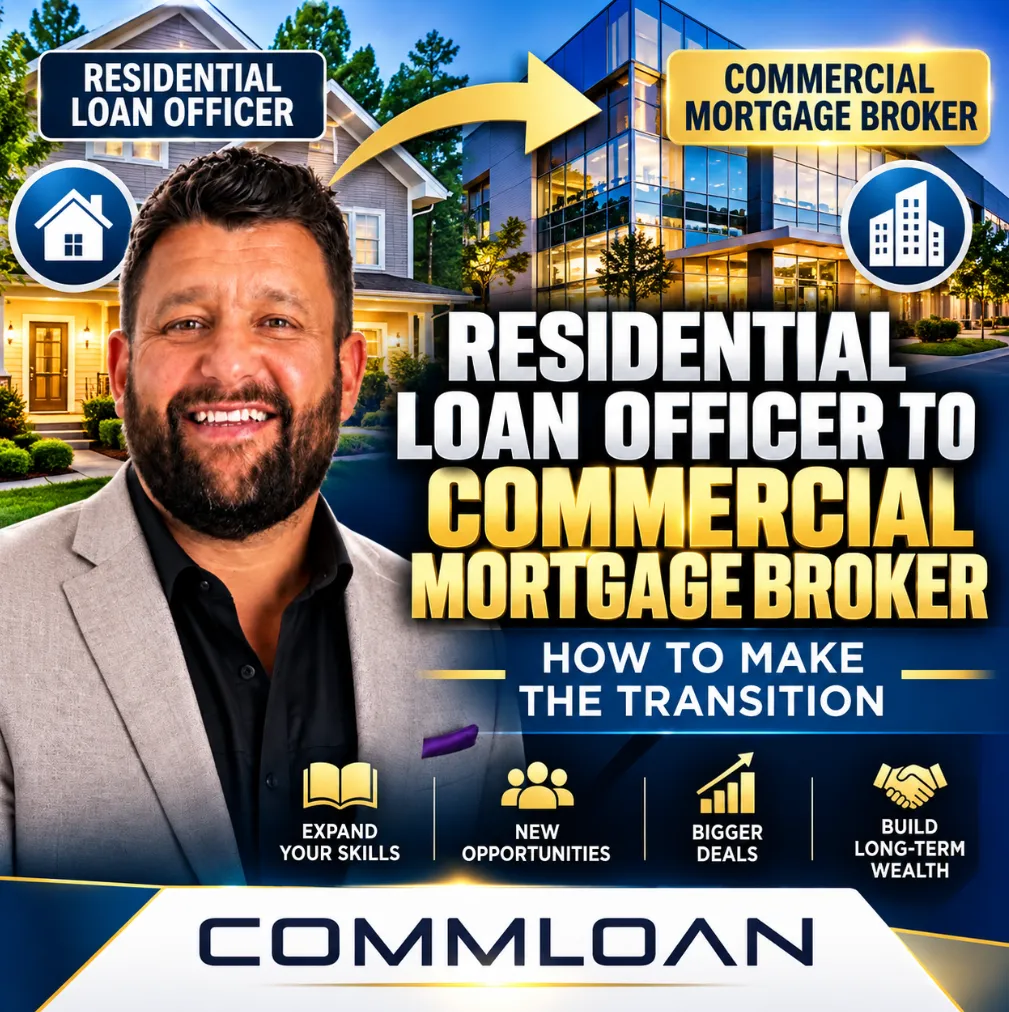
🏢 Residential Loan Officer to Commercial Mortgage Broker: Your Step-by-Step Career Transition Guide 🚀
🏢 Residential Loan Officer to Commercial Mortgage Broker: Your Step-by-Step Career Transition Guide 🚀
💰 Ready to Expand Beyond Residential Mortgages? How to Become a Successful Commercial Mortgage Broker 🏦
________________________________________________________________________________
Residential Loan Officer to Commercial Mortgage Broker: How to Make the Transition
If you're a residential mortgage loan officer looking for ways to diversify your business, expand your referral network, and serve a broader range of borrowers, commercial mortgage brokerage may be a natural next step.
You've already developed valuable skills: understanding credit, managing loan applications, working with borrowers, evaluating financing options, and guiding transactions from application to closing.
But here's something important to understand:
Commercial mortgage lending is not simply residential lending with larger loan amounts.
Commercial real estate financing operates under a different underwriting framework. Lenders evaluate property cash flow, business performance, market fundamentals, borrower experience, and exit strategies.
The good news? Residential loan officers already possess many transferable skills that can provide a foundation for success.
Let's explore how to make the transition strategically.
Why Residential Loan Officers Should Consider Commercial Mortgage Brokerage
Residential mortgage origination can be highly sensitive to interest rates, housing inventory, consumer confidence, and refinancing activity.
Commercial mortgage brokerage offers access to additional financing needs, including:
Commercial real estate acquisitions
Investment property refinancing
Multifamily apartment financing
Owner-occupied business properties
Industrial and warehouse financing
Retail and office buildings
Self-storage properties
SBA 7(a) and SBA 504 financing
Commercial construction and bridge loans
Commercial borrowers also have financing needs that extend beyond a single purchase.
Investors may acquire additional properties, refinance existing debt, fund renovations, or restructure their portfolios.
Business owners may purchase the buildings they occupy, expand operations, or refinance commercial properties.
The opportunity isn't just to originate a larger loan. It's to build long-term commercial financing relationships.
However, commercial transactions can involve longer closing cycles, greater documentation requirements, and more complex negotiations. Larger loan amounts do not automatically translate into greater profitability.
1. Understand the Fundamental Differences Between Residential and Commercial Lending
The first step in becoming a commercial mortgage broker is understanding how commercial loans are evaluated.
Residential Mortgage Underwriting
Residential lenders generally focus on:
Borrower credit history
Personal income and employment
Debt-to-income ratio (DTI)
Down payment and reserves
Property appraisal
Loan-to-value ratio (LTV)
For many residential transactions, the borrower's ability to repay the mortgage from qualifying personal income is central.
Commercial Mortgage Underwriting
Commercial lenders may evaluate:
Net operating income (NOI)
Debt service coverage ratio (DSCR)
Loan-to-value ratio (LTV)
Debt yield
Property occupancy and tenant quality
Lease terms and expiration schedules
Borrower liquidity and net worth
Sponsor experience
Business operating cash flow
Market conditions and property type
For income-producing commercial properties, the property's financial performance often becomes a primary consideration.
For owner-occupied commercial real estate, the operating business's financial performance may be equally important.
Understanding these distinctions is essential before attempting to originate commercial financing.
2. Learn the Three Commercial Lending Metrics Every Broker Must Know
Three financial metrics appear repeatedly in commercial mortgage underwriting.
Debt Service Coverage Ratio (DSCR)
DSCR measures the relationship between a property's net operating income and its annual debt service.
DSCR = Net Operating Income ÷ Annual Debt Service
Suppose an apartment building generates $180,000 in annual NOI and has $135,000 in annual mortgage payments.
DSCR = $180,000 ÷ $135,000 = 1.33x
This means the property generates approximately $1.33 in NOI for every $1.00 of annual debt service.
A lender might require a minimum DSCR of 1.20x, 1.25x, or higher, depending on the loan program and risk profile.
Loan-to-Value Ratio (LTV)
LTV measures the requested loan amount relative to the property's value.
LTV = Loan Amount ÷ Property Value
For a $2 million property with a $1.4 million loan:
LTV = $1,400,000 ÷ $2,000,000 = 70%
Commercial LTV limits vary by lender, property type, borrower strength, and financing structure.
Debt Yield
Debt yield measures property NOI relative to the loan amount.
Debt Yield = Net Operating Income ÷ Loan Amount
For a property producing $150,000 in NOI with a $1.5 million loan:
Debt Yield = $150,000 ÷ $1,500,000 = 10%
Unlike DSCR, debt yield is not directly affected by the interest rate or amortization schedule.
A successful commercial mortgage broker understands how DSCR, LTV, and debt yield interact—not just how to calculate them individually.
3. Understand the Different Types of Commercial Mortgage Loans
Residential loan officers entering commercial financing should become familiar with several major financing categories.
Conventional Commercial Real Estate Loans
Banks, credit unions, and other commercial lenders finance qualifying income-producing and owner-occupied properties.
These programs may offer competitive structures for established borrowers and stabilized assets.
SBA 7(a) Loans
SBA 7(a) financing can help eligible businesses purchase qualifying commercial real estate and finance certain additional business needs.
Loan proceeds may support eligible equipment, working capital, business acquisitions, and other authorized purposes.
SBA eligibility, occupancy, use-of-proceeds, and lender requirements apply.
SBA 504 Loans
SBA 504 financing is generally designed for qualifying long-term fixed assets, including owner-occupied commercial buildings and major equipment.
A common structure combines a third-party lender, a Certified Development Company, and a borrower contribution.
Some qualifying projects may require a borrower contribution as low as 10%, although higher contributions can apply.
Multifamily Financing
Apartment financing may involve conventional banks, agency lenders, HUD programs, debt funds, or bridge lenders.
Each option has different underwriting, occupancy, property condition, and borrower requirements.
Bridge and Private Credit Financing
Bridge loans may help investors acquire, renovate, reposition, or stabilize properties that do not yet qualify for permanent financing.
These loans typically require a credible exit strategy and may carry higher financing costs.
The objective isn't to memorize every commercial loan program.
It's to understand which financing structures match particular properties, borrowers, and business plans.
4. Build a Commercial Real Estate Referral Network
Residential loan officers already understand the importance of referral relationships.
The difference is identifying the professionals who regularly encounter commercial financing needs.
Potential referral partners include:
Commercial real estate brokers
Business brokers
CPAs and tax advisors
Commercial bankers
Real estate attorneys
Commercial property managers
Commercial developers
Business owners and investors
Residential real estate agents with investor clients
A particularly useful strategy is developing relationships with commercial bankers.
Banks may decline transactions because of property-type restrictions, concentration limits, loan size, geographic limitations, or internal lending policies.
A declined bank loan does not necessarily mean the underlying transaction is unfinanceable.
It may mean the borrower needs a different lender or capital structure.
Commercial mortgage brokers can create value by evaluating whether another financing source fits the transaction.
5. Learn How to Package a Commercial Loan
Commercial lenders expect borrowers and intermediaries to provide enough information to evaluate the property, financial performance, and proposed financing.
For investment real estate, a preliminary package may include:
Purchase contract or financing request
Current rent roll
Trailing 12-month operating statement (T-12)
Historical property financial statements
Property description and photos
Existing loan information, if refinancing
Borrower financial statement
Schedule of real estate owned
Proposed capital improvements and business plan
For owner-occupied commercial real estate, lenders may also request business financial statements, tax returns, ownership information, and operating projections.
A well-organized submission allows lenders to identify financing strengths and potential obstacles more efficiently.
Commercial mortgage brokers create value before a loan ever reaches underwriting.
They help identify missing information, assess potential financing constraints, and present the transaction clearly.
6. Use Commercial Lending Technology to Expand Your Reach
One of the challenges facing new commercial mortgage brokers is developing relationships with lenders across different asset classes and financing structures.
A local bank might finance owner-occupied industrial buildings but avoid hospitality properties.
Another lender may specialize in multifamily acquisitions.
A private credit fund may consider transitional properties that conventional banks cannot finance.
This is where commercial lending marketplaces can help.
Through the CommLoan Empower Program, capital advisors can work with the CommLoan platform and its CUPID™ technology to help identify potential financing options across a marketplace of more than 700 lenders.
Instead of relying exclusively on a small number of lender relationships, advisors can explore a broader range of financing sources.
Technology does not eliminate the need for commercial underwriting expertise.
It can, however, improve lender discovery and support a more structured financing process.
Actual lender participation, available programs, financing terms, and approvals depend on the transaction and platform requirements.
7. Start With the Commercial Transactions You Already Understand
Residential loan officers do not need to begin their commercial careers with complicated $20 million development transactions.
Start with financing scenarios that have familiar elements.
Examples include:
Small Multifamily Properties: Financing apartment buildings where rental income and operating expenses drive underwriting.
Owner-Occupied Commercial Buildings: Helping an established business purchase the office, retail, or industrial property it occupies.
Investor Refinancing: Assisting an investor with a maturing commercial mortgage.
SBA-Eligible Real Estate Purchases: Working with eligible small businesses seeking to purchase facilities for their operations.
Begin with straightforward transactions and build your knowledge of more specialized financing structures over time.
8. Real-World Example: From Residential Borrower to Commercial Client
Imagine a residential loan officer who has helped a successful business owner purchase a home.
Several years later, that same client decides to purchase a $1.5 million commercial building for their growing business.
The client asks whether the loan officer can help arrange financing.
A residential-only originator might refer the client elsewhere.
A properly authorized and trained commercial mortgage broker could evaluate the transaction.
The broker would first determine whether the business intends to occupy the property and whether SBA financing may be appropriate.
Next, the broker would review the business's operating history, financial statements, proposed occupancy, borrower contribution, and repayment capacity.
Potential financing options could include a conventional commercial mortgage, SBA 7(a), or SBA 504 financing.
For illustration, a 10% borrower contribution on a $1.5 million project would equal $150,000. However, the actual contribution depends on the eligible project cost, program structure, and lender requirements.
The borrower may also need funds for closing costs and other expenses.
The lesson is straightforward.
The residential loan officer already had the relationship. Commercial lending expertise creates an opportunity to serve that client's next business financing need.
9. Avoid These Common Mistakes When Entering Commercial Lending
New commercial mortgage brokers should avoid several costly assumptions.
Mistake 1: Assuming Commercial Loans Underwrite Like Residential Mortgages
Property cash flow, business performance, and commercial risk factors require a different analytical approach.
Mistake 2: Quoting Terms Before Reviewing Financials
An attractive advertised rate or LTV does not establish that a transaction qualifies.
Mistake 3: Ignoring the Exit Strategy
Bridge and construction lenders need to understand how their loans will be repaid.
Mistake 4: Relying on One Lender
A limited lender network may restrict the financing solutions available to clients.
Mistake 5: Overlooking Licensing and Compliance
Commercial mortgage broker requirements vary by state, transaction, collateral type, and borrower circumstances.
Loans secured by one-to-four-family residential property can trigger mortgage licensing and consumer protection requirements even when described as investor or business-purpose financing.
Commercial brokers must also consider applicable compensation, disclosure, advertising, privacy, and state commercial financing rules.
Confirm the legal and compliance requirements before originating transactions.
10. A Practical 90-Day Transition Plan
A structured approach can help residential loan officers enter commercial financing more effectively.
Days 1–30: Education and Preparation
Study commercial loan products, DSCR, LTV, debt yield, property cash flow, and basic underwriting.
Evaluate commercial lending platforms, training resources, and applicable licensing requirements.
Days 31–60: Referral Development
Reconnect with business-owner clients, investors, CPAs, bankers, and commercial real estate professionals.
Explain the commercial financing scenarios you are prepared to evaluate.
Focus on education and relationship development rather than promising approvals.
Days 61–90: Origination and Execution
Begin reviewing suitable commercial financing opportunities.
Develop standardized intake procedures, organize documentation, and work with experienced commercial financing professionals when needed.
Track your pipeline, referral activity, lender feedback, and transaction milestones.
Your first 90 days should be about establishing a repeatable process—not chasing every possible commercial loan.
Final Thoughts: Expand Your Mortgage Career With Commercial Financing
Transitioning from residential mortgage origination to commercial mortgage brokerage requires education, patience, relationship development, and a different underwriting mindset.
But residential loan officers already have a valuable foundation.
They understand borrowers, financing processes, documentation, and the importance of professional relationships.
By adding commercial underwriting knowledge and broader lender access, they can expand the range of financing solutions they offer.
Ready to Explore Commercial Mortgage Brokerage?
I'm Bill Rapp, CCIM, with the CommLoan Empower Program.
I work with commercial real estate financing and understand the value of matching borrowers, properties, and financing structures with appropriate lenders.
If you're a residential loan officer exploring commercial lending—or a business owner or investor seeking commercial real estate financing—let's discuss your options.
Top of Form
Bottom of Form
Bill Rapp, CCIM
Director | CommLoan
📞 281-222-0433
📧 [email protected]
🌐 https://billrapp.commloan.com/
🌐 https://HoustonCommercialMortgage.com/
Commercial Real Estate Financing Nationwide
https://billrapp.commloan.com/
https://author.billrapponline.com/
https://www.amazon.com/dp/B0F32Z5BH2
https://veed.cello.so/FOmzTty6oi9
https://buymeacoffee.com/vikingente3
https://creplaybookseries.billrapponline.com
https://creplaybook.billrapponline.com/
©Bill Rapp, CCIM - Director - CommLoan

Main Office:
Medallion Funds
[email protected]
11920 Southern Highlands PKWY Suite 302Las Vegas, NV 89141
Texas Complaint and Recovery Fund Notice


All Rights Reserved Copyright © 2021 - Bill Rapp The Mortgage Viking | NMLS #228246